Before I get into this, can you please take a moment to sign and share this ? We need to tell our government to update their bylaws for biodiversity. Most of us have lawn space that goes unused, you’ll be amazed at the difference you can make by planting a native plant garden.
One year, the gift of a bird house sparked my interest in the birds and I write about that here. My love for the birds started to naturally expand my interest in the greater surroundings. I’m noticing first hand in my own yard how everything is connected. How the birds rely on trees for shelter and to nest and raise their young, how the bees rely on food from the flowers and how worms thrive in healthy soil and the insects become a source of food for the birds. How all species rely on water, including the insects. I can’t imagine how much these tiny insects and birds are impacted by pesticides and chemicals we douse our environment with. Everything is connected. Nature is working in harmony to survive and somehow we humans seem to be working against nature by doing a great job at destroying the only home we have. It’s a sad reality to know that nature would THRIVE without us.
I’ve been obsessed with looking at pine trees in Calgary this year and my heart breaks for them all. We have been in a 5-7 year drought in Alberta. When pine trees don’t have sufficient water, they overproduce pinecones and when that happens, the tops of the trees are heavily weighed down and can break. All I see now are thirsty, broken and dying trees and I want so badly to water them all. We all benefit from the trees, but our poor birds rely on them for survival and pines are amazing resources for our birds given that they provide winter habitat/protection. If you can, please plant a tree.
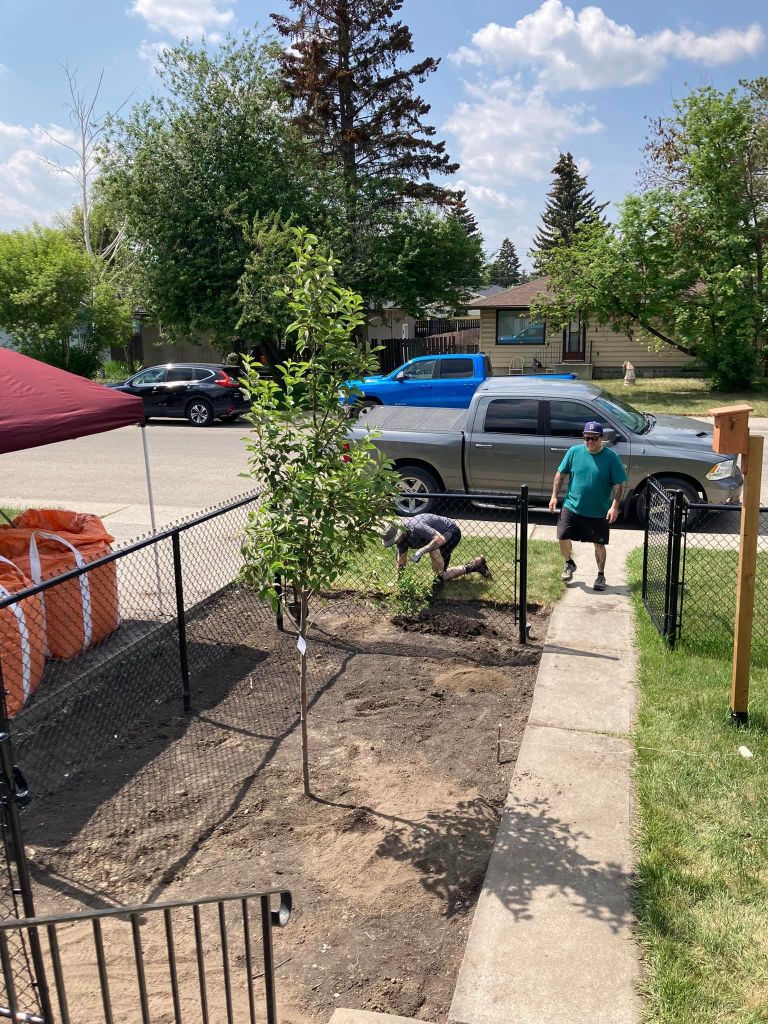
My obsession with making my corner of the world better led me first to adding a year round bird bath in my yard (heated in the winter), adding nest boxes for local birds in the area, planting trees in my yard (something I wish I had done when we FIRST moved in) and in 2023 planting native plants for our pollinators.

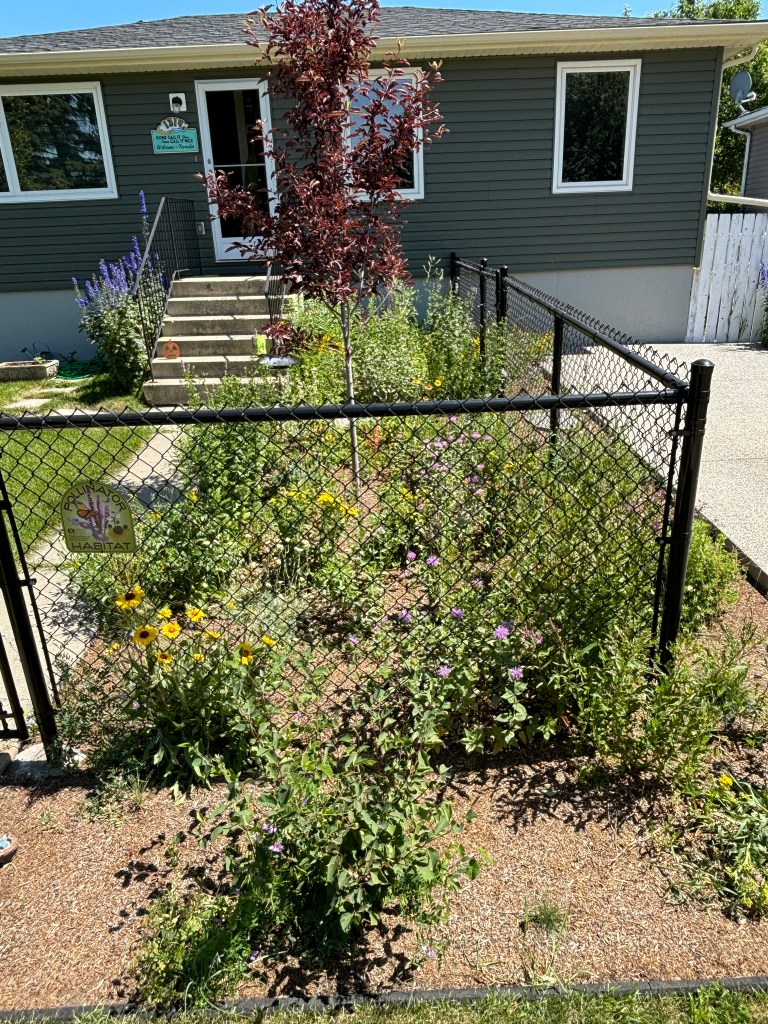
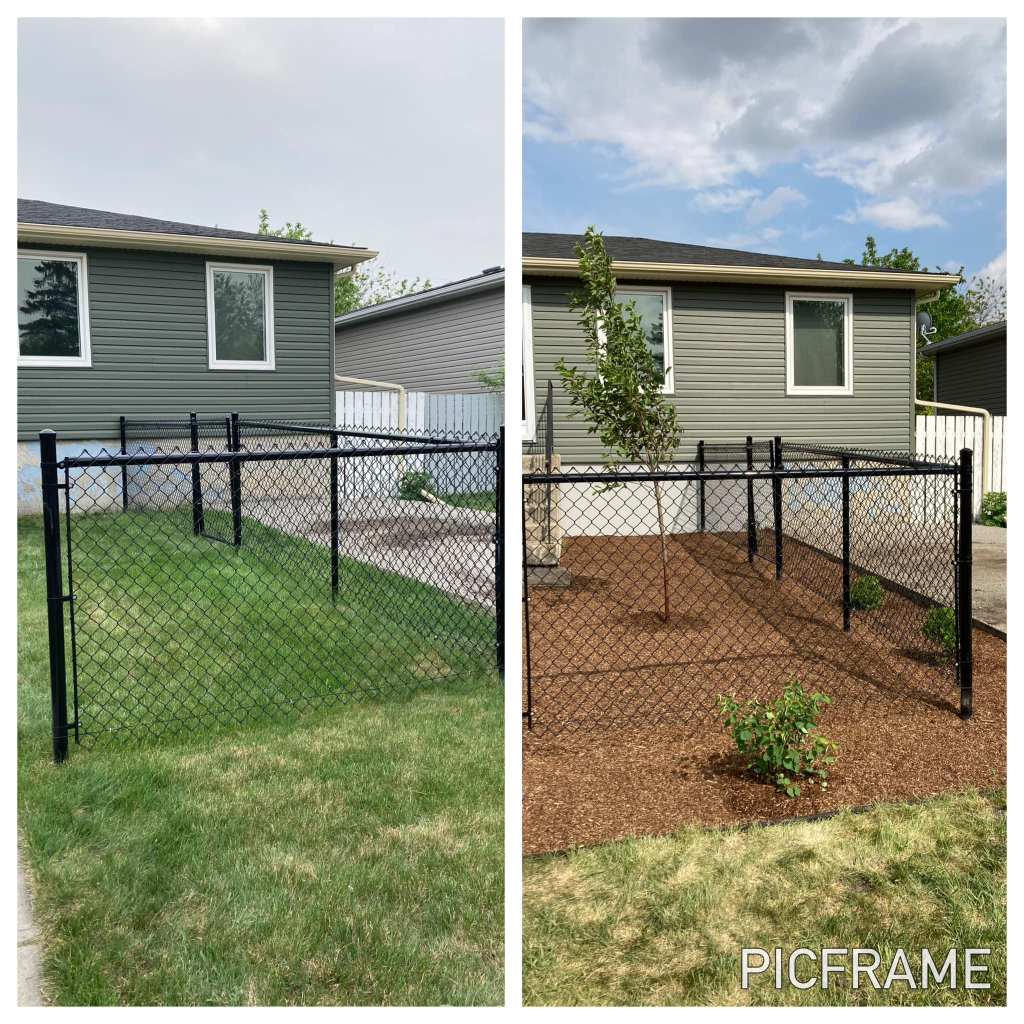
The goal with my garden was to remove half of our front lawn and replace it with native plants which are drought resistant. I selected plants that come up year after year, so the cost is low. I wanted something FUNCTIONAL, to create a space where insects could nest, where insects would eat, have access to fresh water and a space that is free from pesticides and something that is drought resistant and uses no to low water. 2024 turned out to be a year of heavy water restrictions further highlighting the importance of planning our yards with water conservation in mind.
I wanted to provide native plants for our native bees – this is the food they need to survive. It just makes logical sense to plant PLANTS that are native to this area – that means they will have a better survival rate and they are exactly the food our pollinators need.

Sure, dandelions have been a fad to leave for the bees, but they aren’t really a great source of food anyways. Even better is to plant a variety of native plants for the bees that bloom at varying times and are a variety of different heights so as to offer shelter for other insects. Trees that bloom early such as the crabapple tree in my brother’s backyard provide early food for our bees as well.
I wanted to move from what we view traditionally as ‘aesthetically appealing’ – which is the invasive Kentucky blue grass we all have on our lawns to something that is both beautiful and functional for the environment we live in.

Of course, I know NOTHING about gardening, so I wanted to hire someone to help. I ended up finding someone dirt cheap who is a biologist and does this as a passion project in the summers. Score.
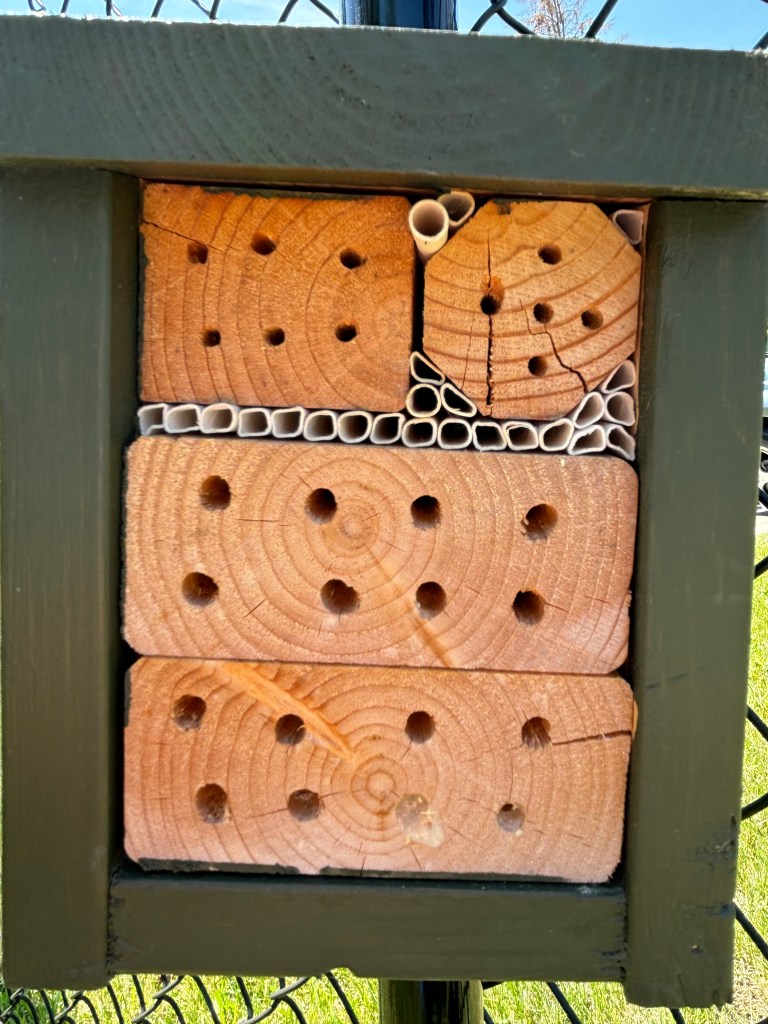
She discussed the entire project with us and wrote us up a plan for exactly what supplies to buy and where (from loam, to mulch to bushes, signs, plants and even a bee box), how many plants we could fit in our space and more. She was impressed we have a bat house on our property and that made me feel so happy.

I’ll include links below of what we purchased along with a little step by step guidance, but first I want to address the number one question I get about this project. People assume planting a pollinator garden means I am now a beekeeper; I am not. The honeybees we are most are familiar with come to us from Europe and are not native to Alberta. When you hear that bee populations are declining it is the native (wild) bees that are of concern and you can help by planting native plants. Honeybees destabilize natural ecosystems by competing with native bees, not to mention there are unethical practices when it comes to stealing honey from bees which is why vegans do not consume honey. To learn more, watch this short video from Earthing Ed.
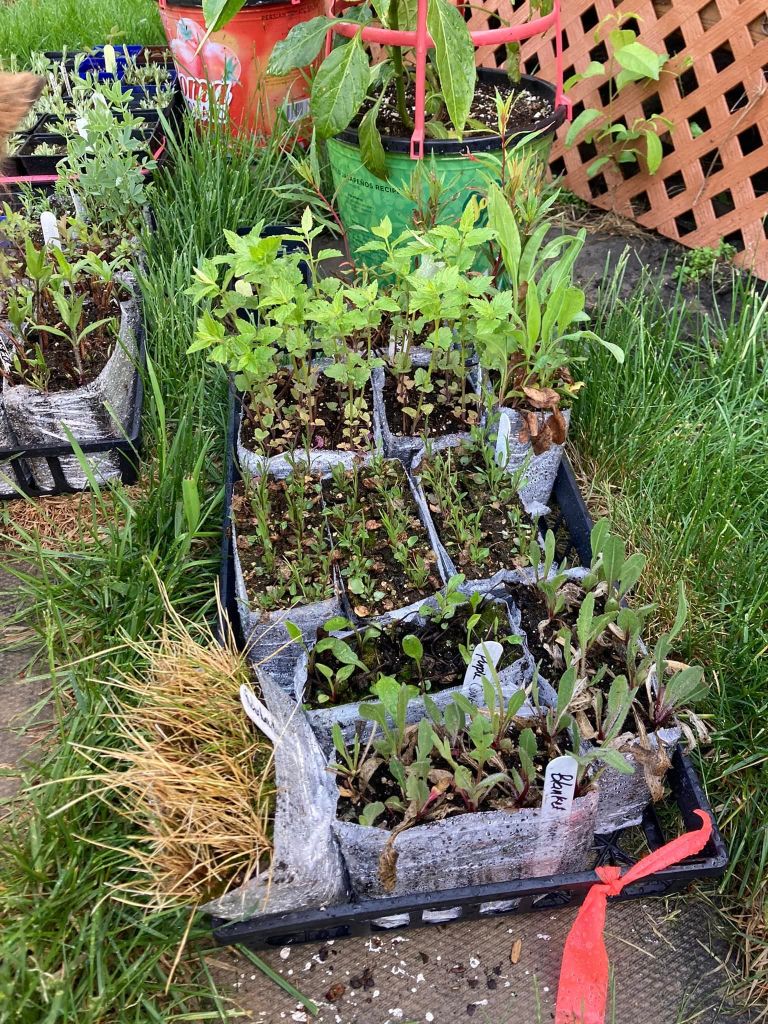
ALCLA Native Plants – we purchased all of our plugs from here. Pre-order once their season opens to avoid disappointment. They are THE source for native plants.
Bow Point Nursery is where we purchased our shrubs and a tree. Unfortunately, they seem to be closed, but were unique in that they grow plants in Alberta for use in Alberta which increases their survival rate.
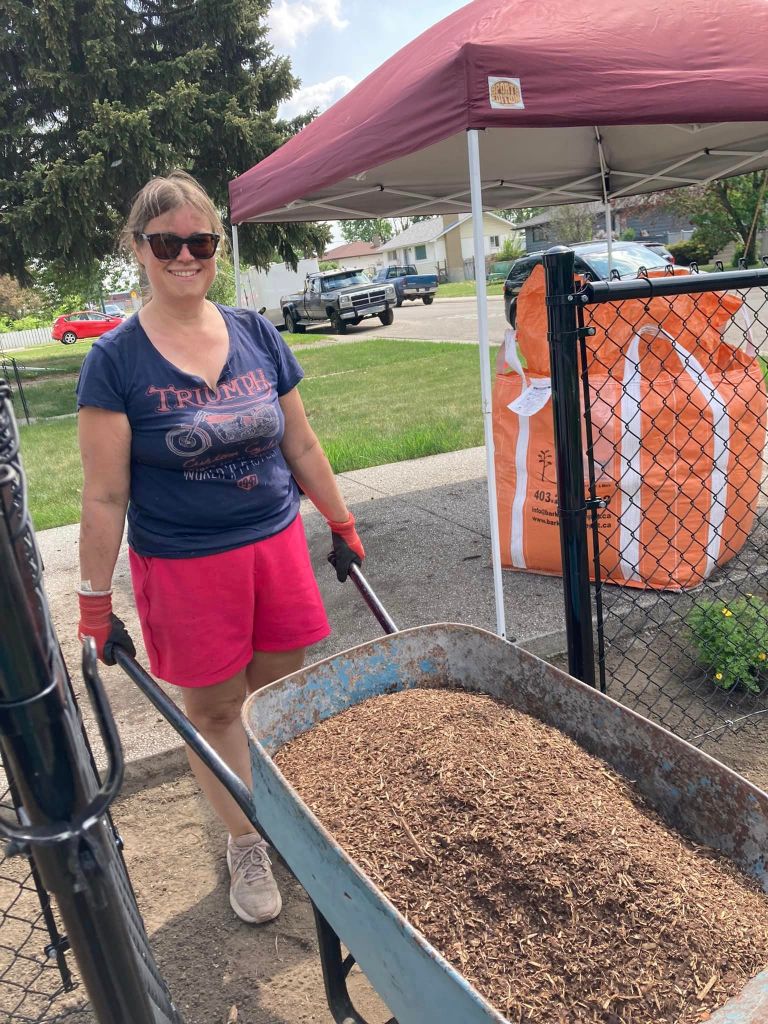
Bark Mulch Depot – Mulch – we purchased Montane Garden Mulch specifically from Bark Mulch Depot as recommended by our biologist. Buyer beware when it comes to mulch, you don’t want any dyes in there, especially in your pollinator garden!
Bark Mulch Depot – Screened Loam – Screened Loam was also recommended by our biologist to use for our garden. This was what we used for our dirt and is the perfect mix for our native plants.
Logistically, this takes a bit of coordination and advance planning:
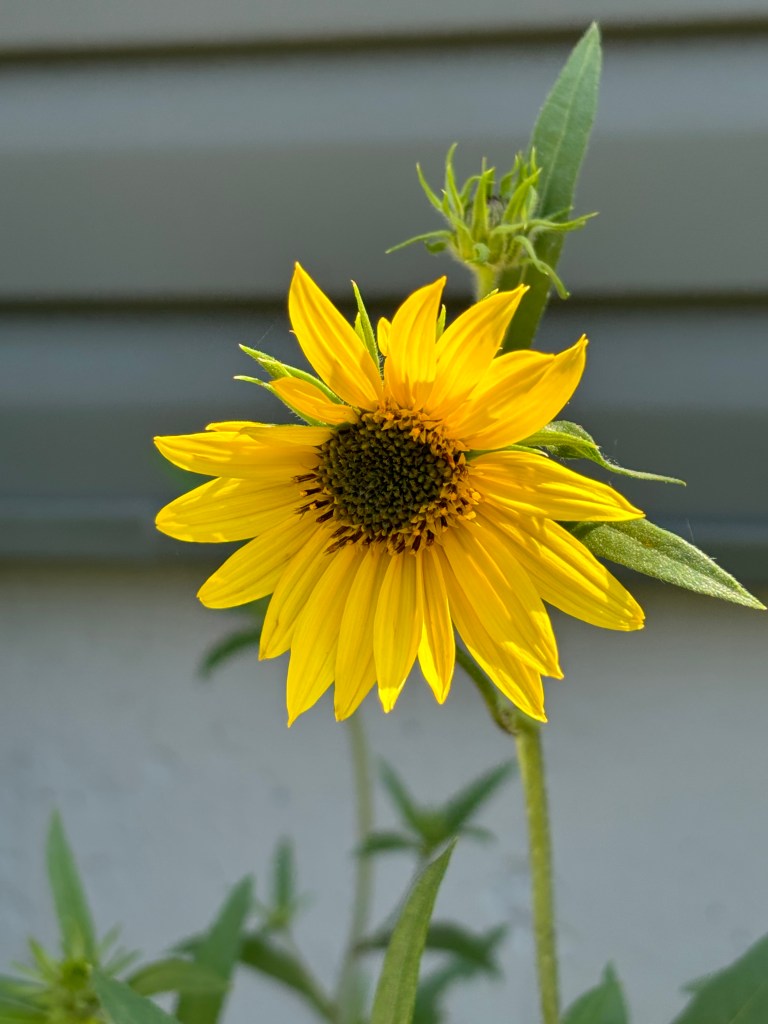
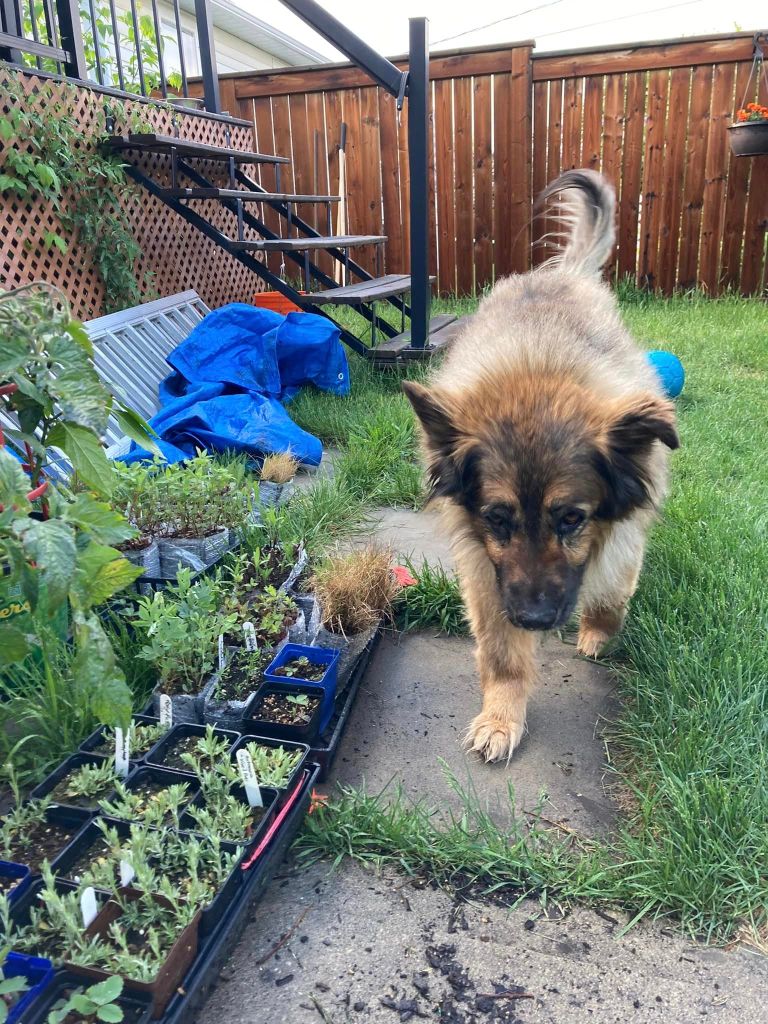
(1) order your native plant plugs from ALCLA Native Plants. Our biologist didn’t plan out our plant layout, but said we could plant the plugs however we liked. While I may have preferred more guidance, her point was, it doesn’t really matter. They all go together. The only tip was to plant the common sunflowers along the steps I think for support as they get quite high and also that’s a nice and sunny spot.
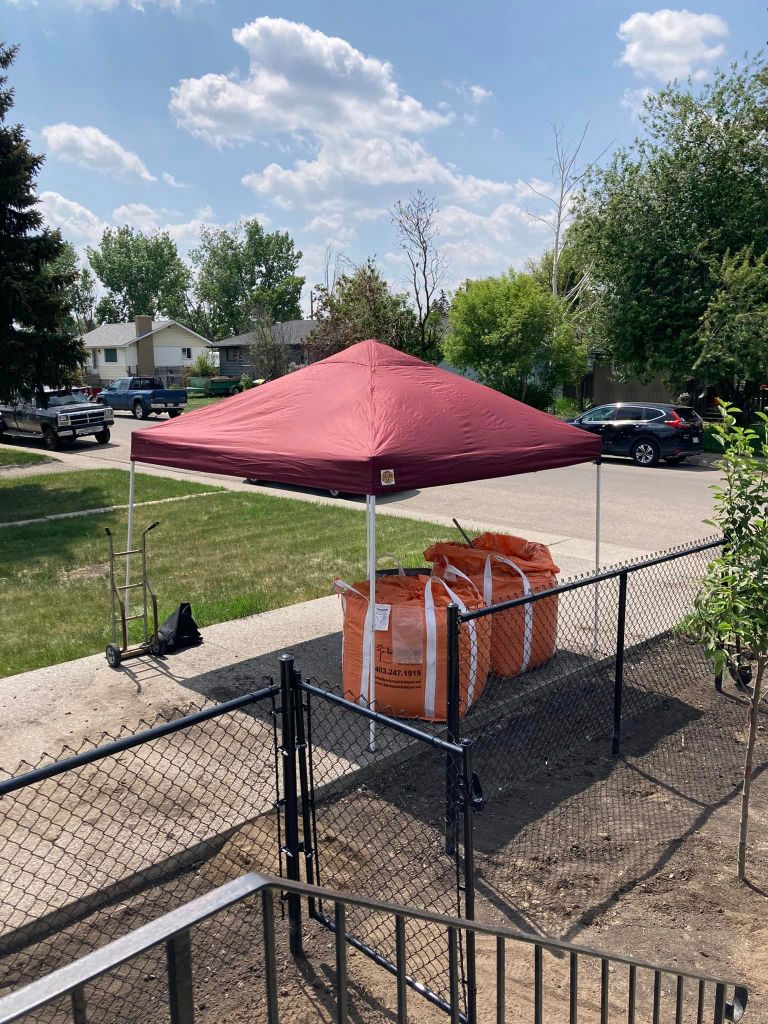
(2) once you have a pickup date for your plant plugs, schedule your Bark Mulch Depot delivery of the screened loam and montane garden mulch. Of course, you could also order the mulch and loam in advance if you have a location where it can safely sit once delivered. We had a full tote of each delivered for our small space. I would absolutely not recommend picking these items up, delivery is a must and worth it in my opinion.
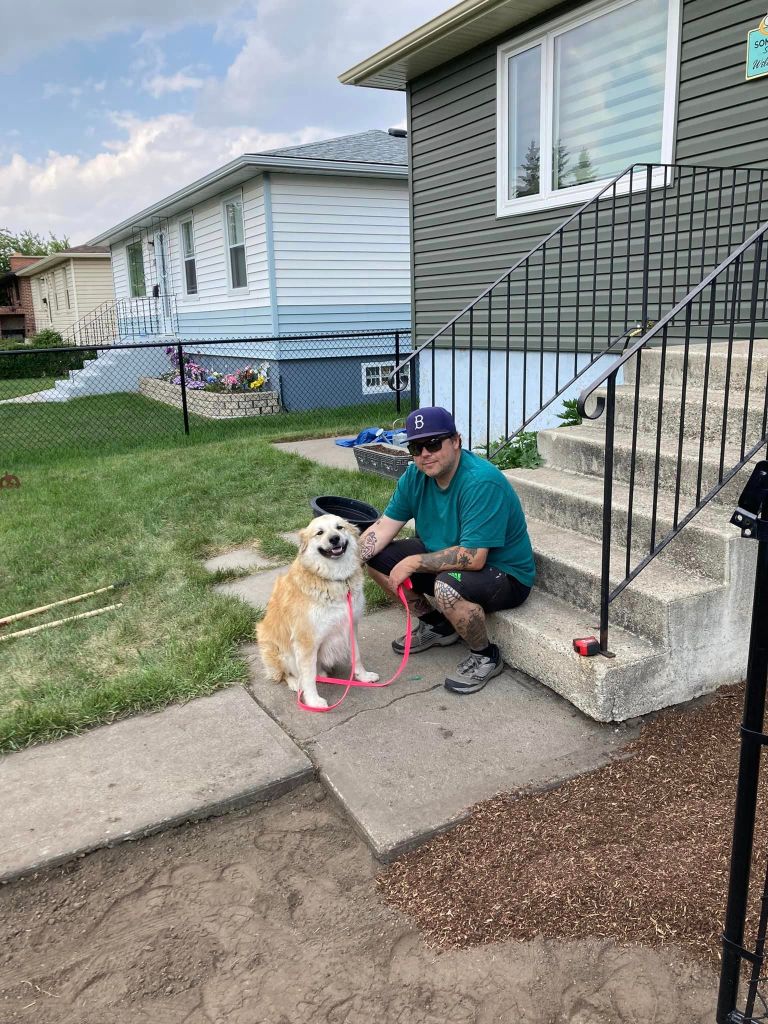
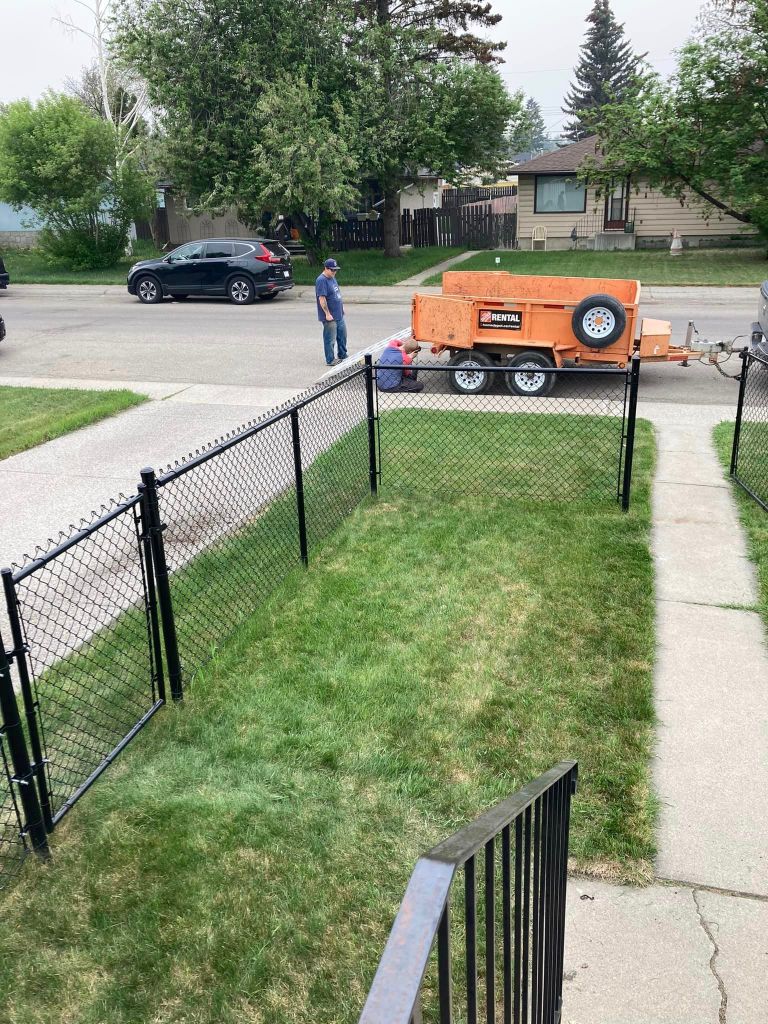
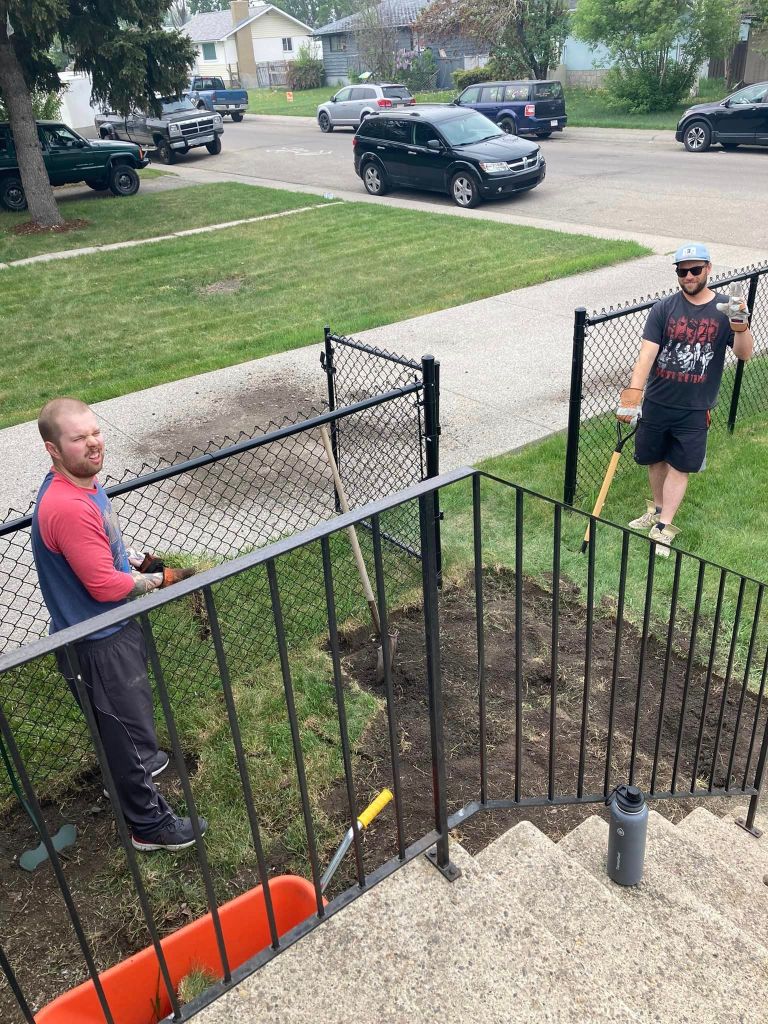
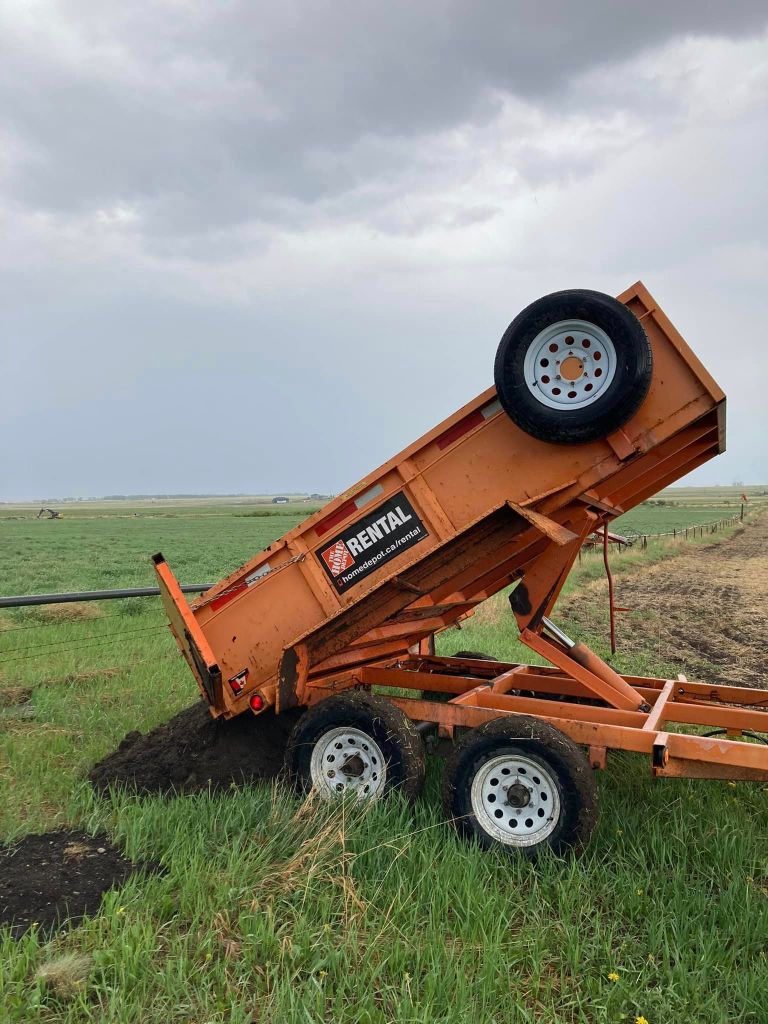
(3) Prior to your plugs arriving, prepare the space and rent any necessary tools. Unfortunately, we did everything by hand. We dug out the sod/dirt and hauled it all out. It was an immense amount of work and that feels like an understatement. We live in an old house and our grass is well established – we had to dig out enough dirt to ensure we were removing the grass including the roots. We are all still a bit traumatized. I have since learnt you can rent a sod cutter which really makes removing the sod a breeze. Partway through our project, after tiring of loading the sod/soil onto the truck and then shoveling it out, we got smart and rented a dump trailer from home depot – worth it.
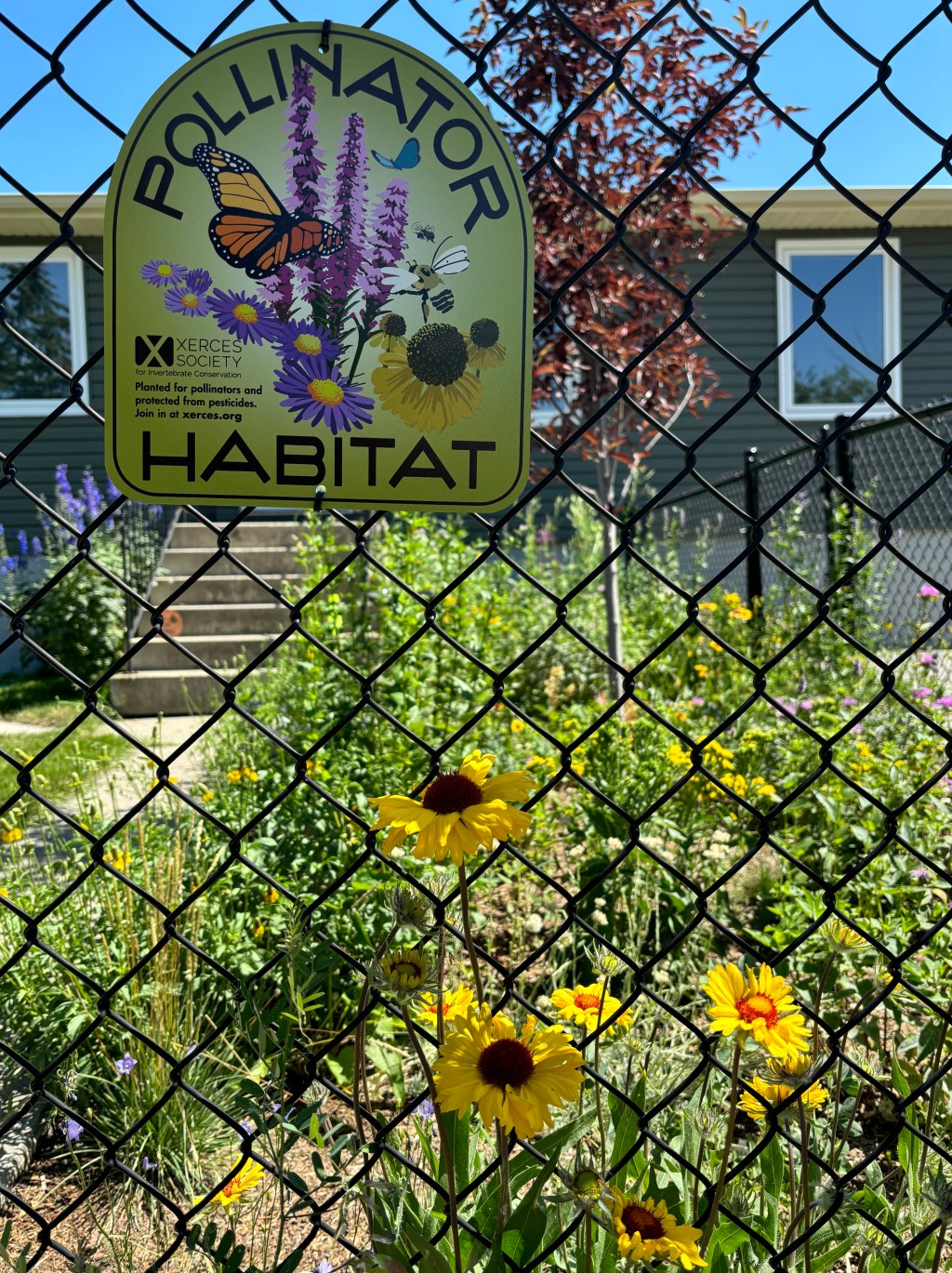
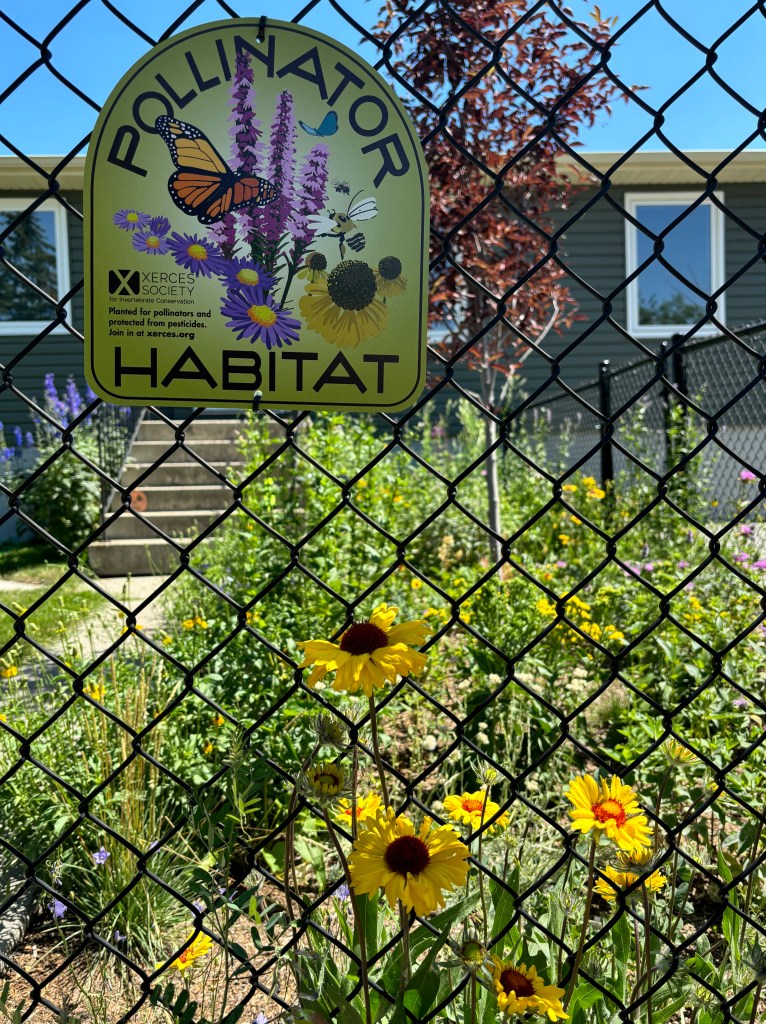
(4) Hanging a sign in your pollinator garden is a great way to educate your neighbors on the purpose of the garden and so they don’t think you have an unkempt/weedy yard. Lucky for us, our neighbors have all been supportive and have enjoyed our pollinator garden as much as us! You can get a pollinator habitat sign from Xerces.
Ideally, you want your yard prepped and ready by the time you pick up your plugs. That said, I wouldn’t prepare it too far in advance as you don’t want your exposed dirt to end up full of weeds. We planted towards the end of June, but from memory I understand you do not want to plant in July or August as it’s too hot. I believe after May long up to before July long as well as September long are the best, but don’t quote me on that. There’s zero chance this can all be one day, but with planning and proper coordination, a pollinator garden can be a wonderful addition to your yard.
Peace, love & plants,
Michelle 🙂
p.s. You can learn more about Pollinators and the importance of helping them here. Scroll down for more pictures.
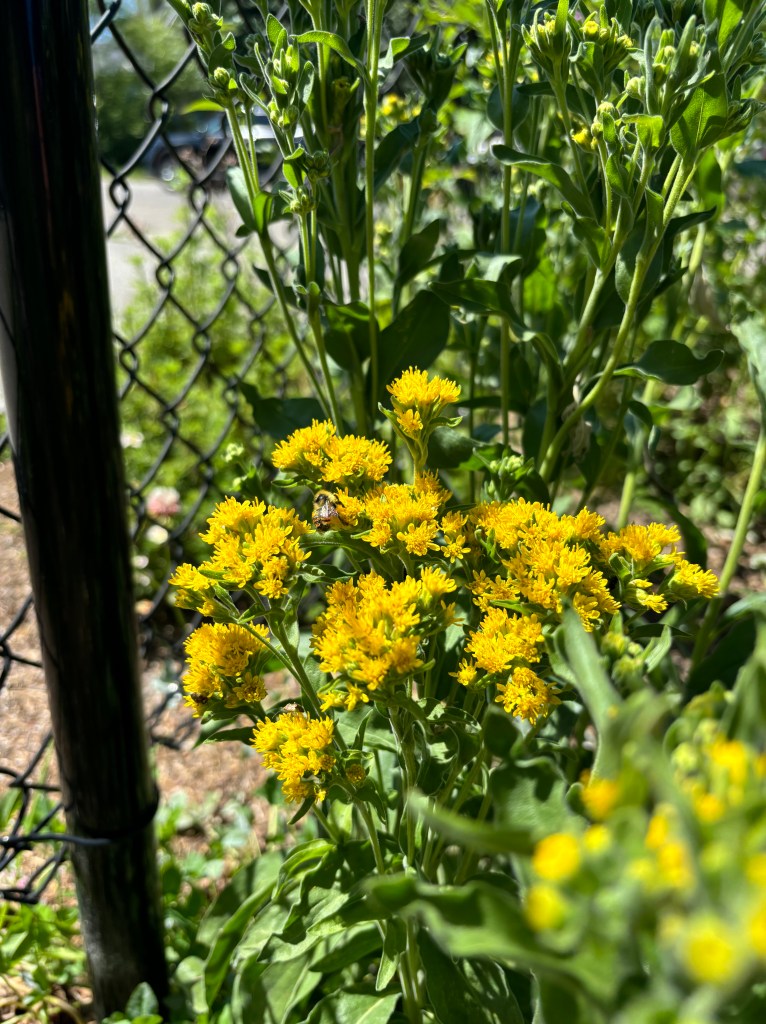

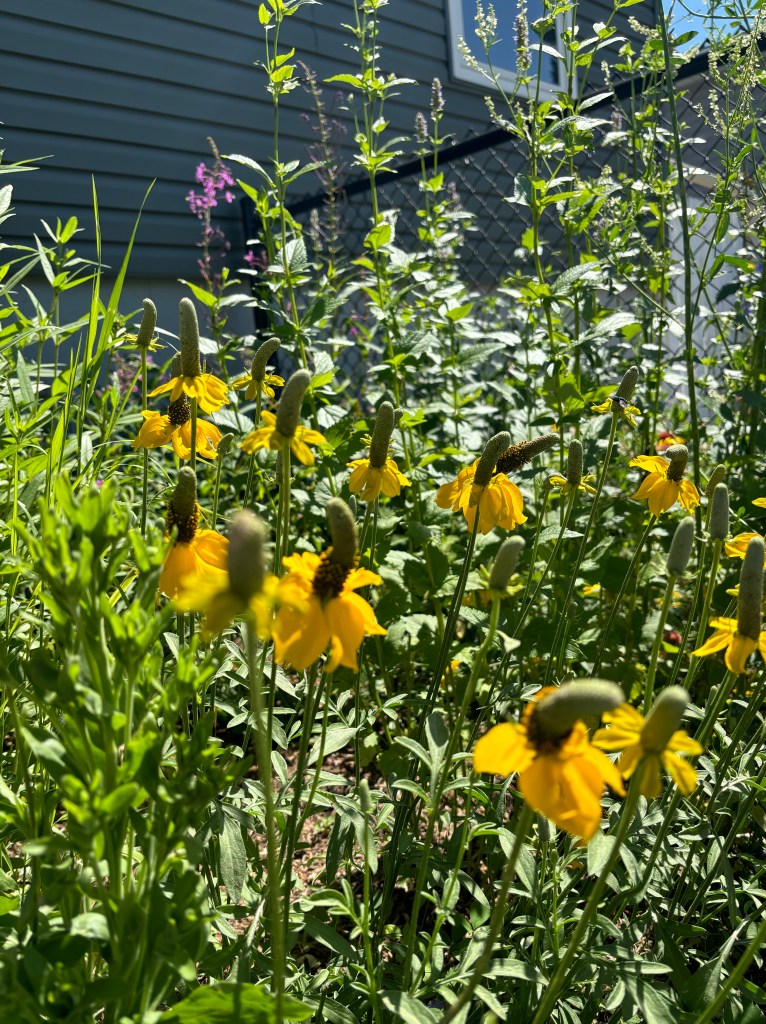
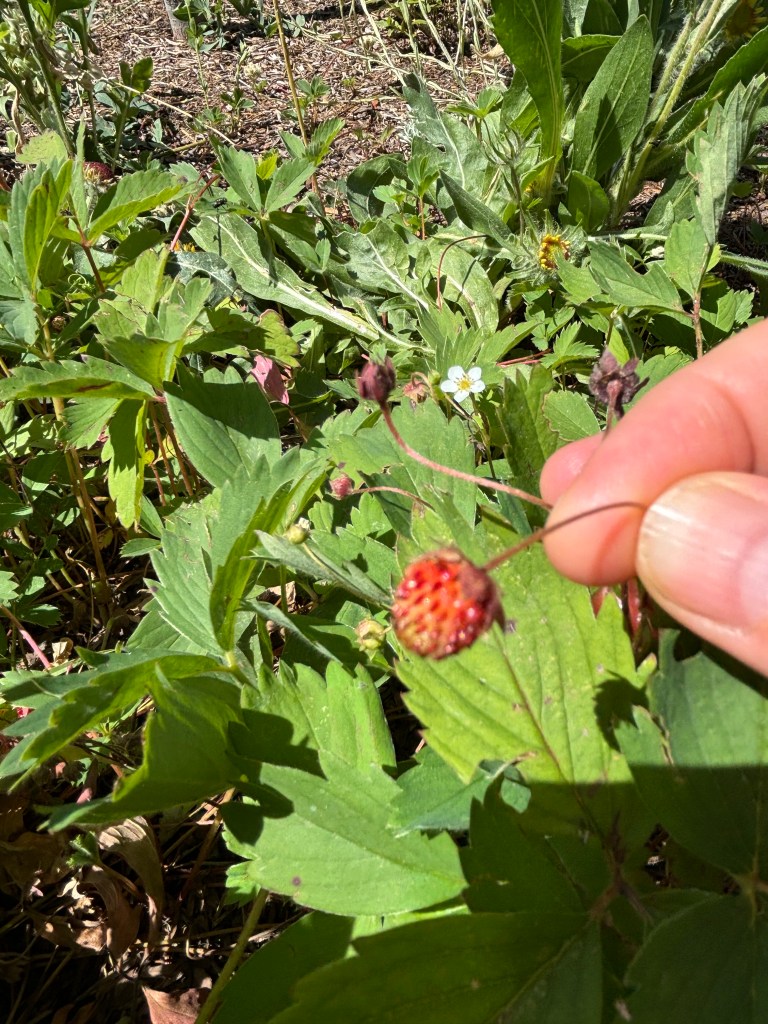
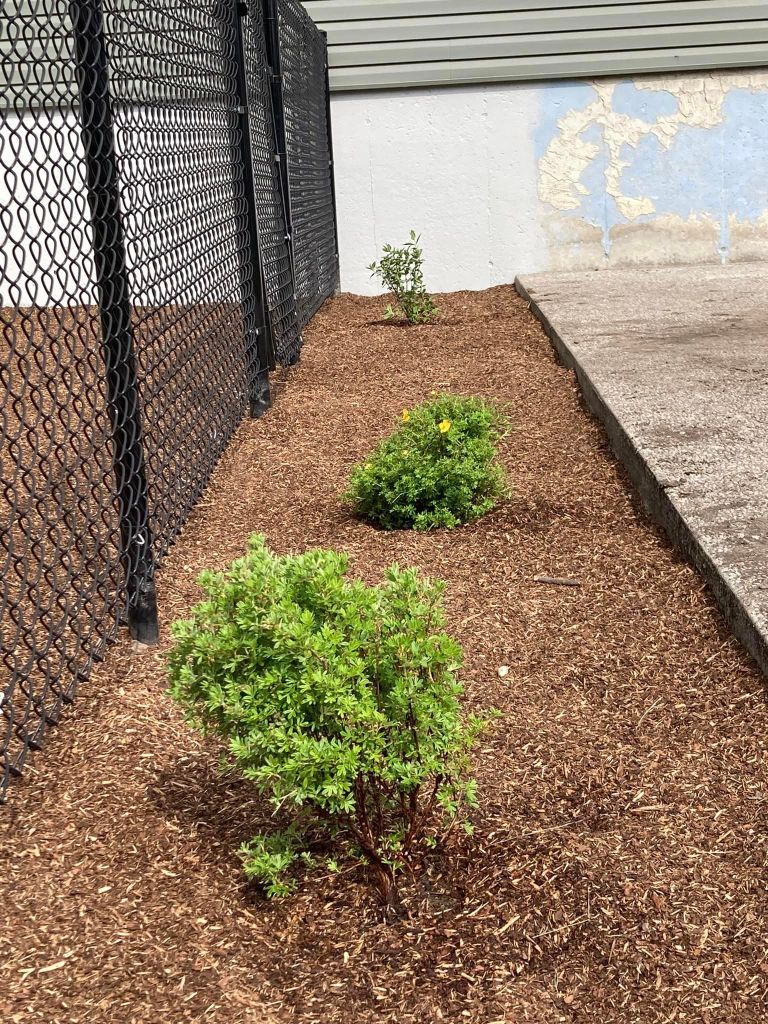
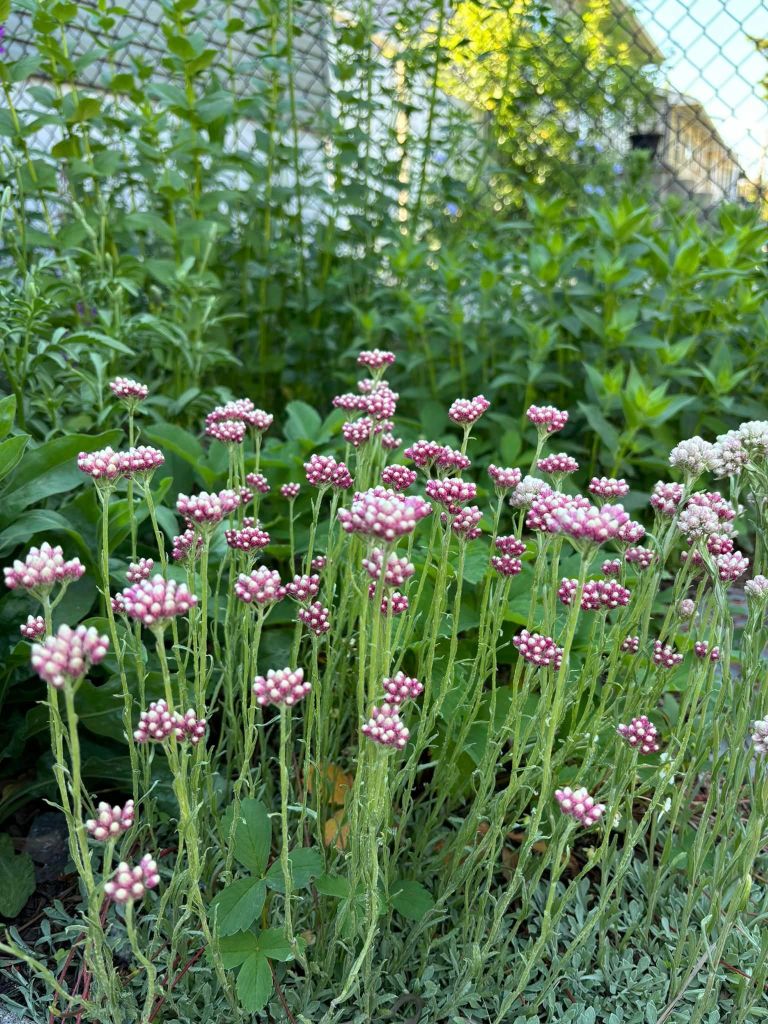
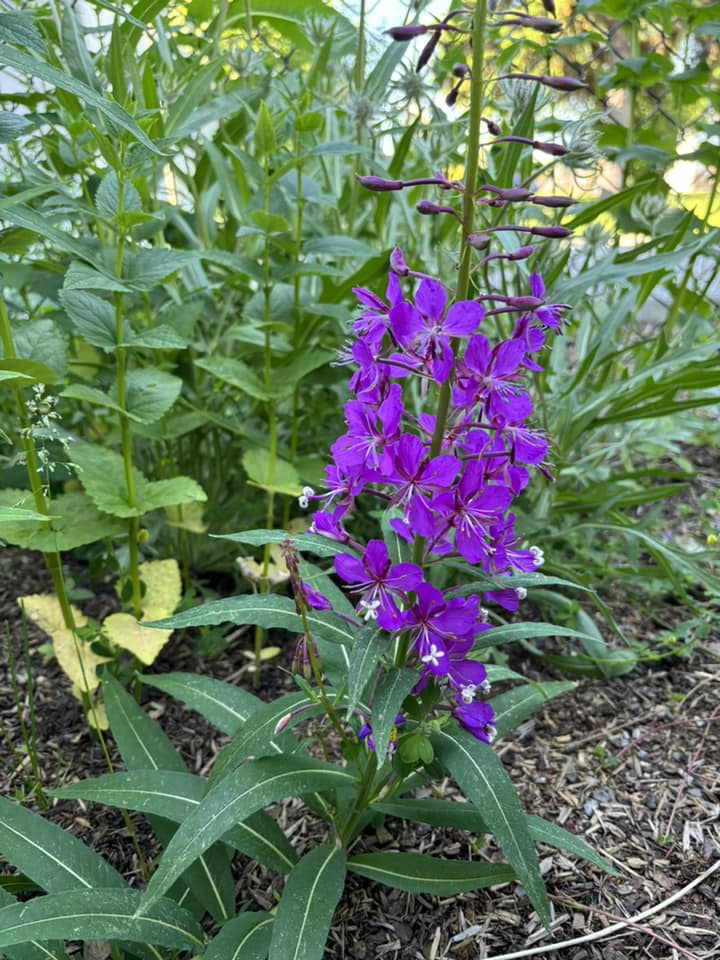
Full List of Items Planted (we also planted shrubs in the back and along the side of the house).
Trees and shrubs: Saskatoon berry bush, wild rose bushes, dogwood, Ponderosa Pine, Midnight Chokecherry Tree, Buffaloberry
Native Grasses: Richardson Needlegrass, Rough Fescue, Junegrass
Wildflowers: Giant Hyssop, Harebells, Rosy Pussytoes, Fireweed, Purple Prairie Clover, Echinacea, Wild Strawberry, Blanketflower, Stiff Goldenrod, Common Sunflower, Wild Blue Flax, Bee Balm, Yellow Coneflower, Buffalobean (but i think they were out of stock so don’t think this is in the garden).
 From Pizza Addict to Vegan
4 responses to “Our Pollinator Garden”
Amazing,
Signed and shared!!
hope all is well
Jon
LikeLike
thank you!
LikeLike
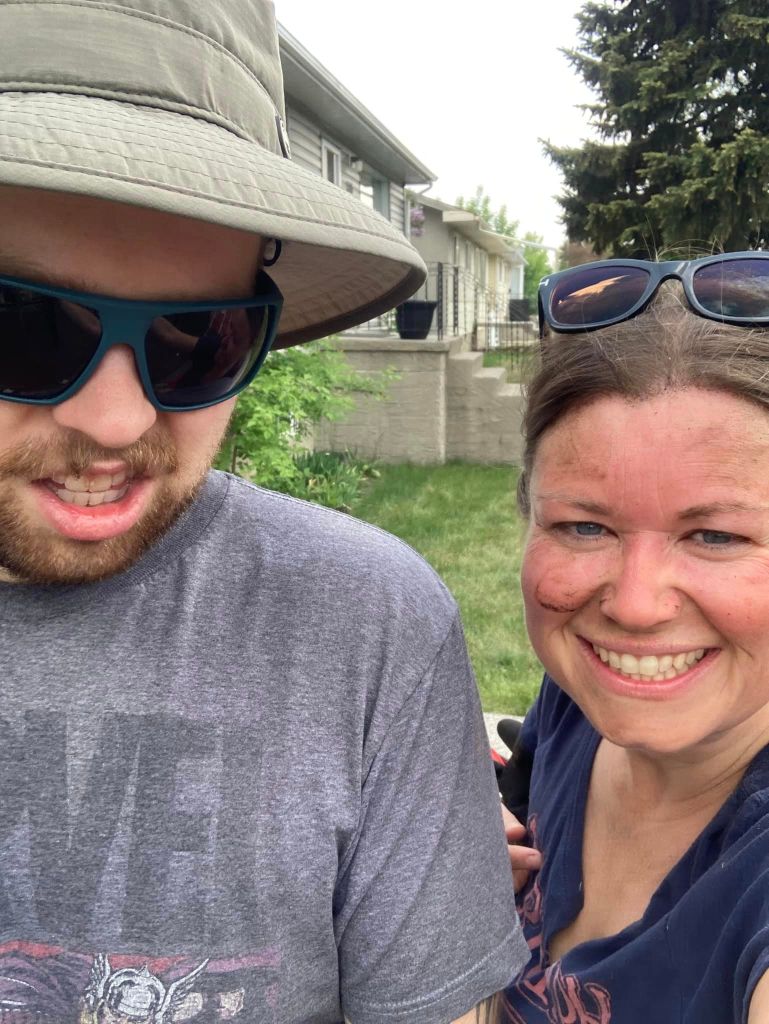
Well done! I find this very inspiring! I love the “ma & pa kettle” pic too. It all turned out beautifully, I bet you learned a lot about gardening! WTG
Sue
LikeLike
Thank you! And oh so much, and still have tons to learn. Thank you for reading. 🙂
LikeLike